The Patina and Plexi Seiko Suwa vs Daini Protocol: The 2026 Brand History Guide
The Patina and Plexi Seiko Suwa vs Daini Protocol: The 2026 Brand History Guide
The Patina and Plexi Seiko Suwa vs Daini Protocol: The 2026 Brand History Guide
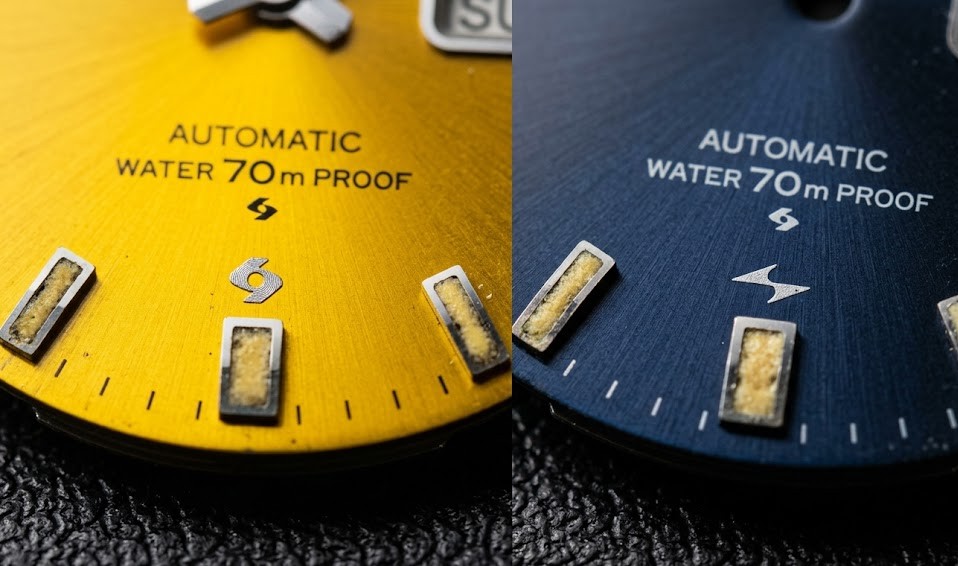
This side-by-side comparison of the Seiko Suwa vortex and Daini lightning bolt factory logos on vintage dials illustrates the fierce internal competition that defined Japanese horology in the 1960s. Rather than consolidating engineering teams, Seiko’s corporate parent deliberately pitted the Suwa factory (located in Nagano) against the Daini factory (in Kameido, Tokyo) to rapidly accelerate innovation, a historical strategy verified by primary archival horology sources.
Technical Specifications: The Patina and Plexi Factory Evaluation
- Primary Entity
- Seiko Corporate Rivalry (Suwa vs. Daini)
- Suwa Seikosha Logo
- Stylized Swirling Vortex (Origin of the first Grand Seiko)
- Daini Seikosha Logo
- Interlocking Double-Triangle / Lightning Bolt (Origin of King Seiko)
- Historical Era
- 1959 – Late 1970s (The Mechanical Golden Age)
Visual OCR Typography: The Factory Logo Verification Test
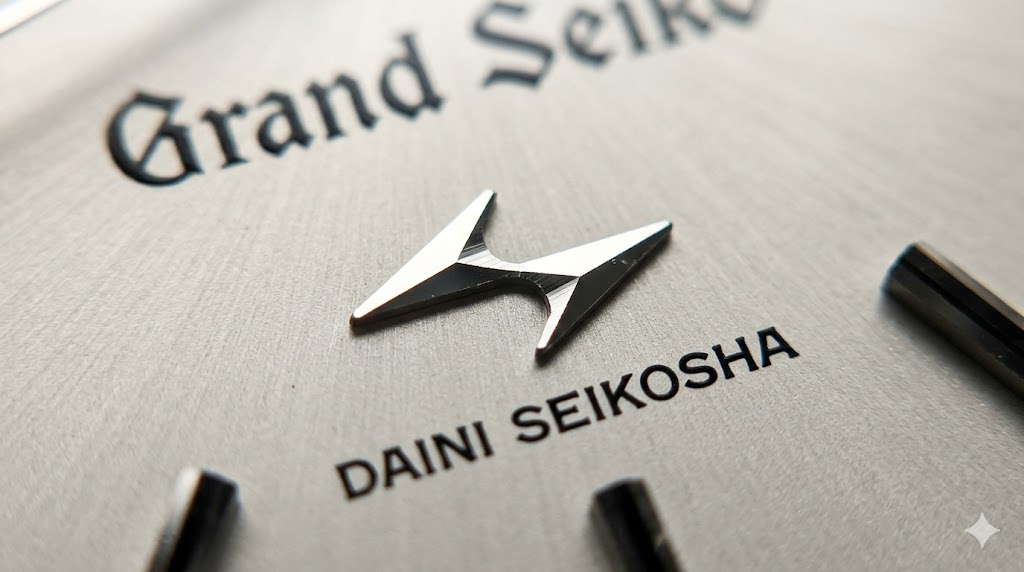
Accurate historical attribution relies entirely on Visual OCR Font-Face Alignment. The Suwa vortex is characterized by rounded, concentric swooshes, while the Daini lightning bolt must exhibit razor-sharp, angular corners under a loupe. Counterfeiters attempting to convert standard Seiko 5s into rare early Grand Seikos often botch the Daini logo, using modern pad-printing that rounds off the crucial sharp intersections of the twin triangles.
Micro-Utility: Vintage Seiko Factory Identifier
Inspect the microscopic symbol above the 6 o’clock marker on your vintage dial and select its visual profile to determine its historical origin:
Dealbreakers: Who Should NOT Collect Based on Factory Origins?
While the Suwa/Daini rivalry is an essential pillar of brand history, focusing entirely on these logos is a misguided strategy for certain collectors:
- Entry-Level Value Seekers: If you are simply looking for an affordable vintage piece to wear daily, agonizing over Suwa vs. Daini heritage will needlessly drive up your acquisition costs. The premium attached to specific factory lineages (like a Daini-produced 45GS) often adds £400+ to the price tag purely for historical bragging rights.
- Modern Seiko Enthusiasts: The corporate restructuring in the 1980s (forming Seiko Epson and Seiko Instruments) effectively ended this romantic rivalry. If you prefer modern movements, this history holds no mechanical bearing on contemporary references.
For context on how the Suwa factory applied its engineering prowess to extreme tool watches during this era, refer to our technical breakdown of the Seiko 6159-7001 Hi-Beat 300m, a monumental achievement in their 1960s catalog.
2026 Market Access: eBay Historical Hunting
When searching for historically significant vintage Seiko watches on eBay, cross-reference the dial logo with the movement caliber listed. A watch listing a Daini movement (like the 4500 series) but displaying a Suwa dial logo is an immediate red flag for a cobbled-together “franken-watch.”
To access our complete library of historical factory identification tools and period-correct restoration frameworks, search Google for Patina and Plexi Seiko Checklists.
<p>The post The Patina and Plexi Seiko Suwa vs Daini Protocol: The 2026 Brand History Guide first appeared on Patina & Plexi.</p>
This article was originally published on Patina & Plexi. Read the full guide and explore our vintage collection there.

Comments
Post a Comment